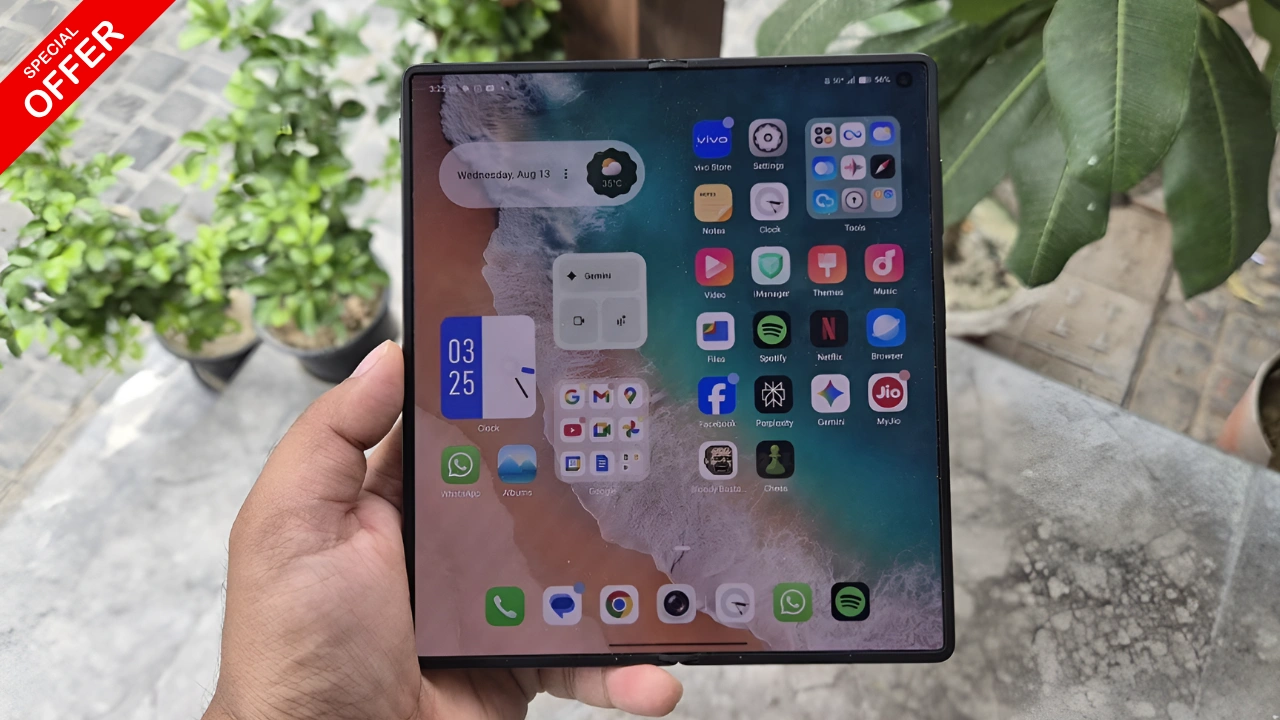
The Reserve Bank of India (RBI) is considering updating its Fair Practices Code to allow lenders to remotely lock smartphones purchased on credit if borrowers default on their loans. This move comes amid rising consumer loan defaults and aims to give financial institutions a tool to safeguard their assets. However, it has sparked debates about fairness, digital inclusion, and data privacy.
What the RBI Proposal Means for Consumers
If implemented, the new guidelines will allow banks and non-banking financial companies (NBFCs) to disable mobile phones purchased via EMI in case of missed payments. While physical repossession of devices is challenging, software-based locking offers an effective alternative for lenders. This raises questions about whether purchasing premium smartphones on EMI remains a viable option, especially for consumers concerned about data privacy.

How Remote Phone Locking Works
The mechanism relies on pre-installed software or apps that link the device to the lender. If borrowers fail to pay their EMIs, the software can remotely restrict access to the phone. This ensures the lender has leverage without physically collecting the device. However, the RBI is expected to issue detailed guidelines to ensure that consumers’ personal data is protected and that the process is transparent.

Privacy and Consumer Concerns
Many users worry about the implications of having their device remotely locked, particularly regarding access to personal information, photos, contacts, and sensitive apps. Regulators are likely to balance the lender’s interests with consumer data protection, preventing misuse while allowing legitimate recovery measures.

What Consumers Should Know
Before purchasing a smartphone on credit, borrowers should be aware of their repayment obligations and understand that defaulting could result in their device being disabled. Choosing reliable EMI plans and timely payments will remain crucial to avoid such scenarios.

The RBI phone lock directive, if enacted, could reshape the way premium smartphones are financed in India, making borrowers more cautious while safeguarding lenders’ investments in an increasingly credit-driven market.